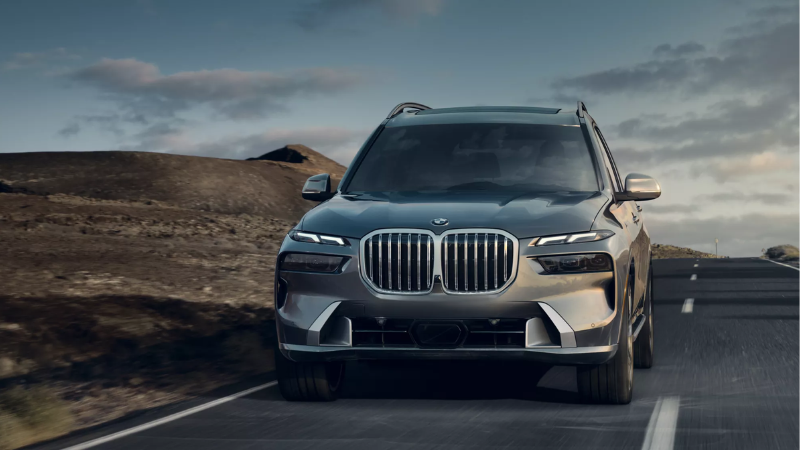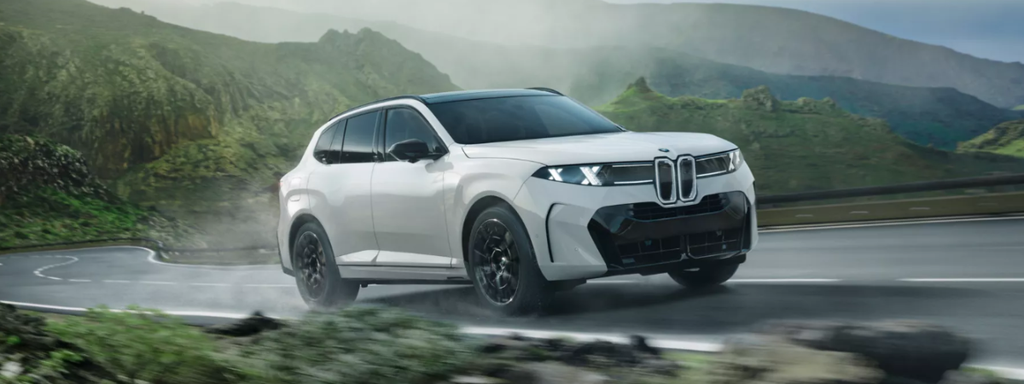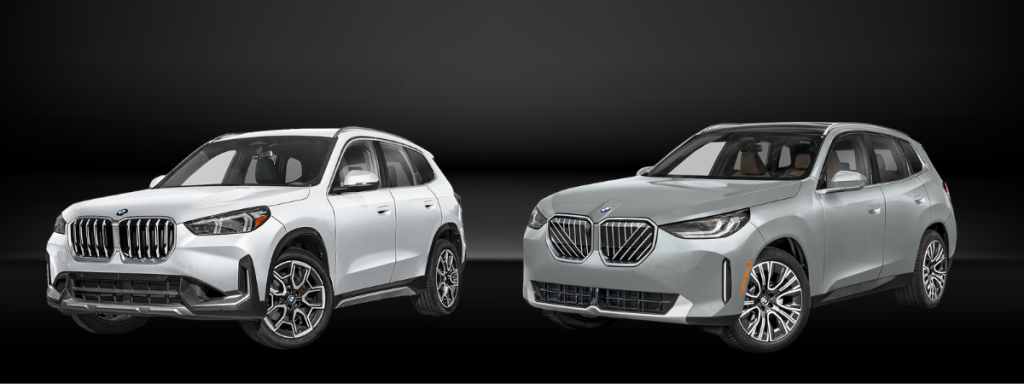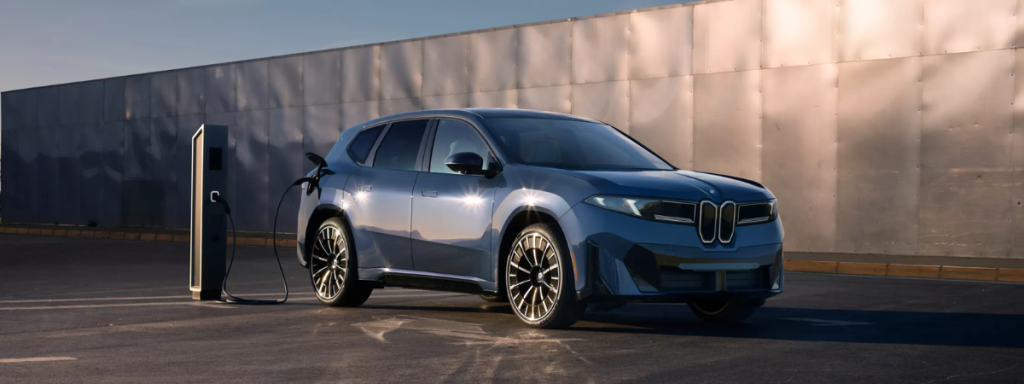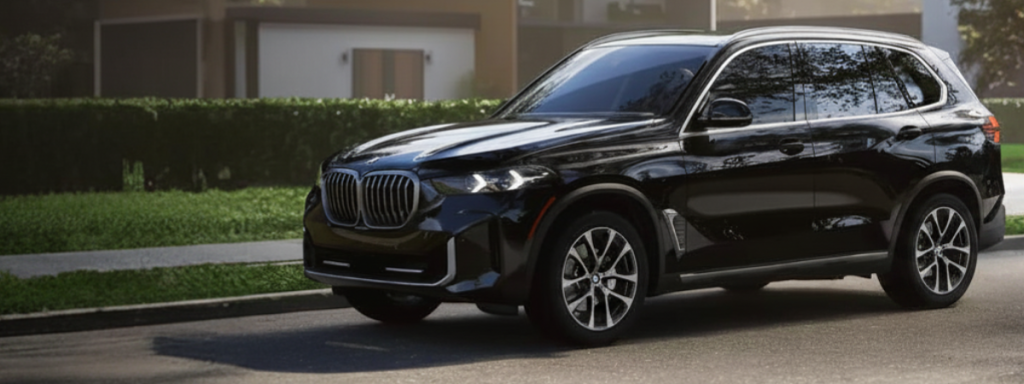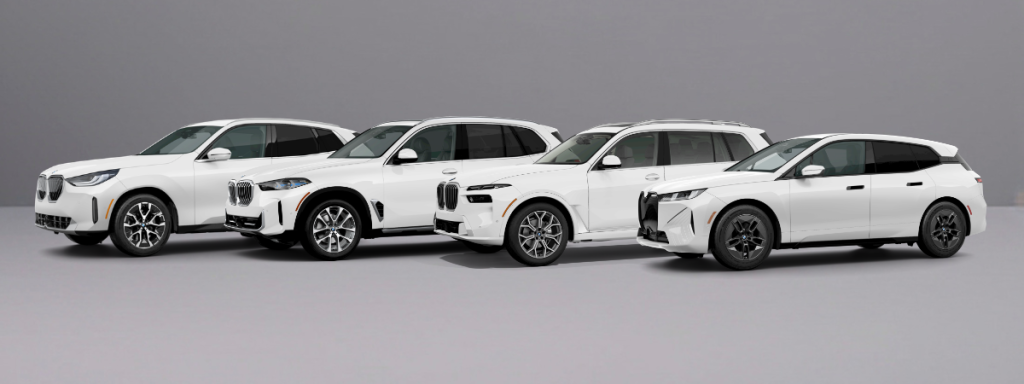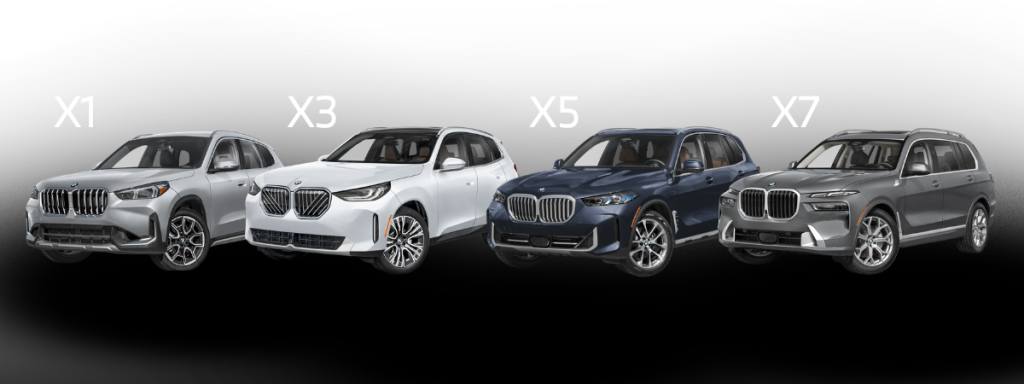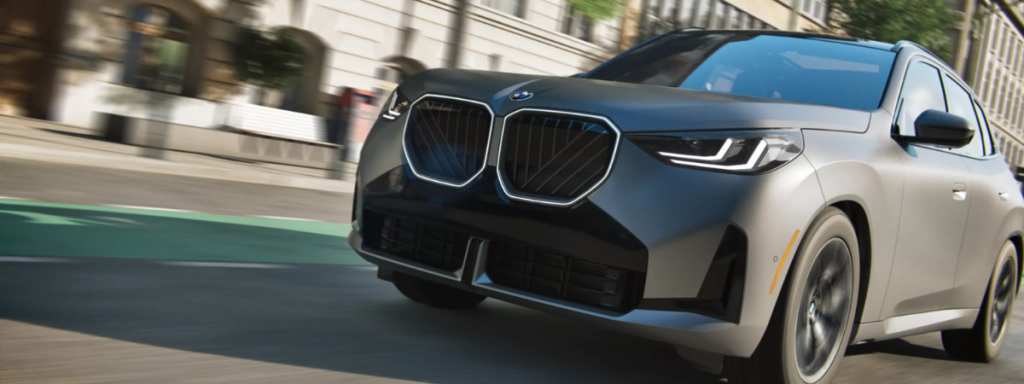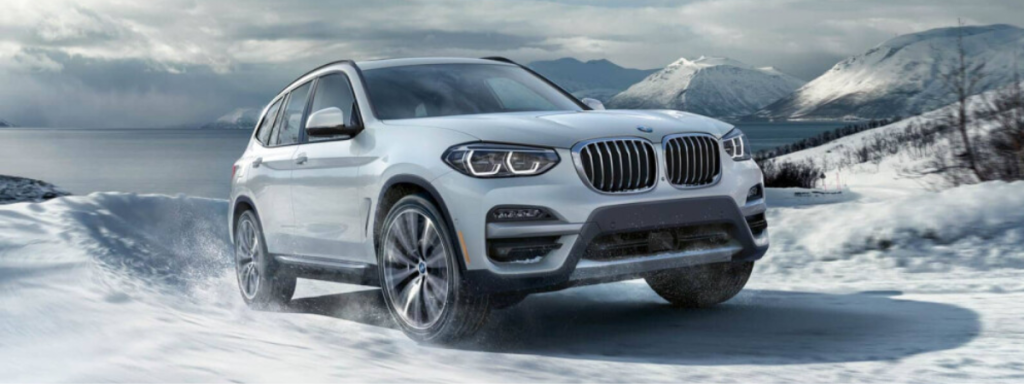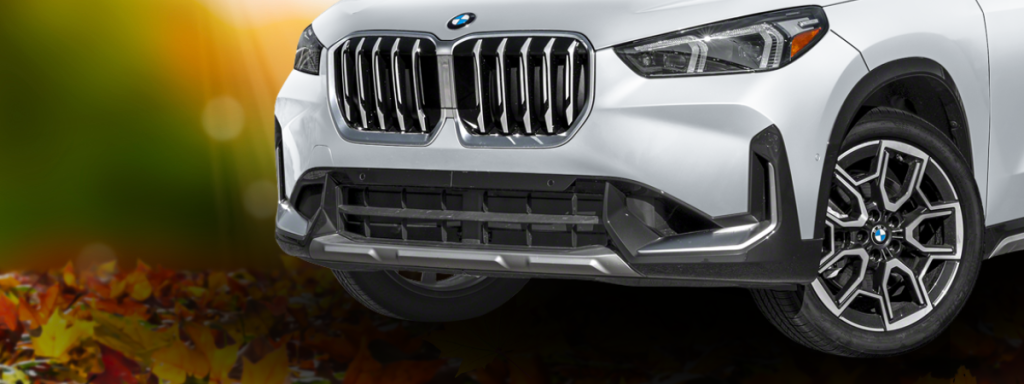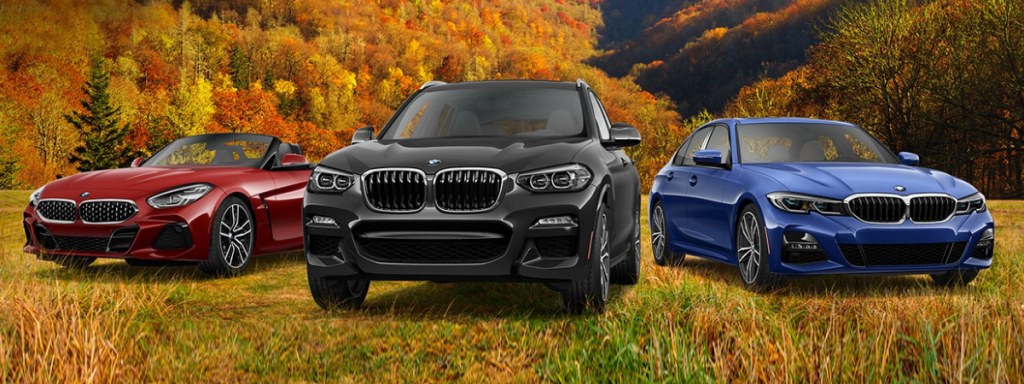



BMW X3 vs X5. Should You Choose the 2026 X3 or All-New 2027 X5? The all-new 2027 BMW X5 has arrived at BMW of Peabody, giving shoppers a new reason to compare two familiar names. In this BMW X3 vs X5 comparison, the 2026 X3 offers a smaller footprint and a choice of two engines, while the redesigned 2027 X5 brings a larger body, standard six-cylinder power in the launch model and a substantially different digital cockpit. Moving up makes sense if those changes improve your everyday driving. The X3 remains worth considering if it already provides the passenger space, performance and versatility you need. The useful question is what the new X5 adds to your routine. What Makes the 2027 BMW X5 Different? The 2027 X5 introduces BMW’s fifth generation of the model. It is a full redesign, with new exterior styling and a new approach to presenting information inside the vehicle. The most important change to explore in person is BMW Panoramic iDrive with BMW Operating System X. BMW Panoramic Vision projects selected information across the lower portion of the windshield, working alongside the central display and standard BMW 3D Head-Up Display. For an owner coming from an earlier X3 or X5, that changes where you look for information and how you interact with the vehicle. Before choosing, try the navigation, climate controls and display customization while parked. A new interface should feel useful during an ordinary drive. The launch model is the X5 40 xDrive. Other powertrains have a staggered rollout, so shoppers should distinguish the vehicle available now from versions planned for later. Meet the Two SUVs. 2026 BMW X3 The 2026 BMW X3 30 xDrive uses a 2.0-liter turbocharged four-cylinder engine with 48V mild-hybrid technology, producing 255 horsepower. It pairs an eight-speed automatic transmission with standard xDrive all-wheel drive. The X3 M50 xDrive offers a 3.0-liter turbocharged inline-six with mild-hybrid technology and 393 horsepower. Both versions measure 187.2 inches long and 75.6 inches wide, excluding mirrors. That footprint makes the X3 the smaller vehicle in this comparison. BMW lists 31.5 cubic feet of cargo capacity on its X3 technical-data page. 2027 BMW X5 The all-new 2027 BMW X5 40 xDrive uses a 3.0-liter turbocharged inline-six with 48V mild-hybrid technology, producing 394 horsepower. An eight-speed automatic transmission and xDrive all-wheel drive complete the launch-model powertrain. It measures 197.2 inches long and 78.7 inches wide, excluding mirrors. BMW lists cargo capacity of 27.3 cubic feet with the rear seats upright and 67.7 with them folded. Those published figures are a reason to inspect the cargo areas directly rather than assume the larger exterior guarantees more usable luggage space. Size. What Does Moving Up Mean in Practice? The new X5 is 10 inches longer and 3.1 inches wider than the 2026 X3. That is enough to make garage clearance and parking-space fit part of the decision. For a driver in Marblehead with a narrow driveway, or someone regularly using crowded parking lots around Peabody and Salem, measure the spaces you actually use. Include mirror clearance and room to open the doors. For passenger comfort, repeat the same seating exercise in each vehicle. Set the driver’s seat first, then sit directly behind it. Check foot space, headroom and ease of entry. If you use child seats, bring them and assess installation and access. Exterior dimensions cannot answer every interior-space question. A larger vehicle is worth moving into when the seating position and cabin layout work better for your passengers. Cargo. Bring Your Real-World Test. An X3 owner considering the X5 should identify the loading problem they want to solve. Is your stroller difficult to fit? Do weekend bags interfere with rear visibility? Does sports equipment require folding a seat you need for a passenger? Bring the item that causes the inconvenience. Load it with the rear seats upright, check the opening and see how much room remains. Cargo-floor shape, wheel-well intrusion and the height of bulky items can matter as much as a volume figure. This is especially useful before holiday travel or winter weekends away. Compare each vehicle using the same luggage and seating arrangement, rather than judging an empty cargo area by appearance. Performance. Compare the Right X3 With the X5. The X5 40 xDrive has substantially more horsepower than the X3 30 xDrive. But the X3 M50 xDrive’s 393 horsepower is close to the X5 launch model’s 394. That makes the specific version important. Moving from an X3 30 xDrive to the X5 is a different decision from choosing between an X3 M50 xDrive and an X5. If performance is your main reason for changing vehicles, drive the relevant configurations on a comparable route. Evaluate response during a normal highway merge, how the transmission behaves in traffic and whether you like the steering and seating position. Neither mild-hybrid system requires plugging in. A mild hybrid assists the gasoline powertrain; it should not be confused with a plug-in hybrid offering a separate electric-driving capability. Technology. Does the New Cockpit Suit You? The X5’s Panoramic iDrive system gives this comparison a clear distinction beyond engine output and dimensions. Its windshield-base information display and central screen create a different cockpit experience from the X3. Make the demonstration practical. Connect your phone, select a destination, adjust the temperature and find the information you use most frequently. Ask which functions depend on optional equipment or connected services. Also compare the actual vehicles’ comfort and assistance features. Do not assume a model name tells you which seats, cameras or driver-assistance package are fitted. Confirm equipment on the window sticker, and remember that assistance features require an attentive driver. Which One Fits North Shore Driving? Choose the X3 if its passenger and cargo fit already work and you prefer its smaller exterior. Give the X5 a closer look if you want its new cockpit, six-cylinder launch powertrain and larger vehicle layout. Both compared xDrive models offer all-wheel drive. Winter preparation still involves appropriate tires, maintenance and driving for the conditions. You can use BMW of Peabody’s new BMW inventory to identify configurations to compare. If your current X3 still suits you, the X5’s arrival is an opportunity to evaluate your options without assuming that a larger model is automatically the right next step. Frequently Asked Questions Is the 2027 BMW X5 redesigned? Yes. It introduces the fifth-generation X5, including new styling and BMW Panoramic iDrive with BMW Operating System X. Is the X5 always more powerful than the X3? No blanket comparison works. The 2027 X5 40 xDrive produces 394 horsepower, compared with 255 for the 2026 X3 30 xDrive and 393 for the X3 M50 xDrive. Does the larger X5 automatically carry more luggage? Do not assume so. Check the exact model’s published measurements and test your luggage in both vehicles using the same seating arrangement. Do these mild-hybrid models need charging? No. The X3 models and X5 40 xDrive discussed here do not require plugging in. They differ from plug-in hybrid and fully electric vehicles. Compare the New X5 With the X3 at BMW of Peabody The new X5 deserves attention for what has changed: its design, digital cockpit and launch-model powertrain. The X3 deserves equal consideration if its size and capabilities fit your life. Contact BMW of Peabody to arrange a comparison of the 2026 X3 and newly arrived 2027 X5, with your passenger needs and must-have features in mind.
BMW Winter Tires and Wheel Packages for the X3 and X5
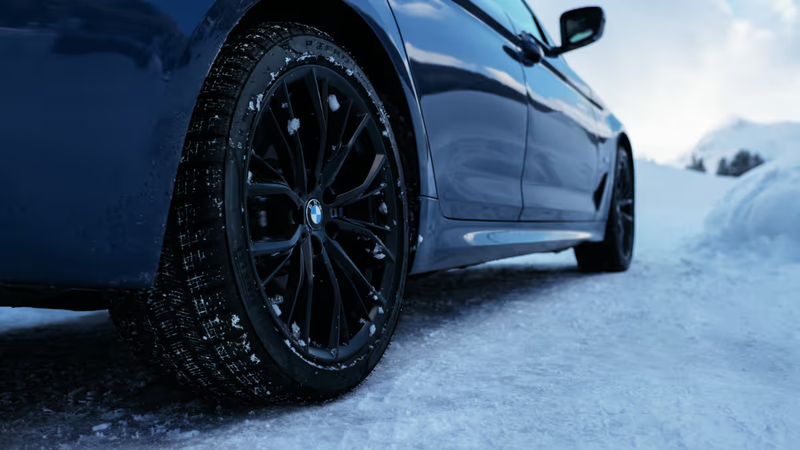
BMW Winter Tires and Wheel Packages for the X3 and X5. If you plan to run BMW winter tires on your X3 or X5 for several seasons, a complete winter wheel and tire package is worth comparing with mounting winter tires on your existing wheels. A second set costs more upfront, but it lets you swap complete assemblies each season and keep your usual wheels off the road during winter. The right package depends on your BMW’s model year, trim and brake setup, as well as the roads you drive. At BMW of Peabody, our advice is to make two decisions in order. First, choose a tire for the winter driving you actually do. Then confirm which wheel and tire combinations fit your BMW. An early commute from Beverly through Danvers on Route 128 can make winter grip a priority. Your BMW X3 or X5’s brake clearance determines which wheels you can use to get it. Do You Need a Winter Wheel Package or Just Winter Tires? You can get the benefit of dedicated winter tires either way, as long as the tires fit your BMW. The difference is what happens every spring and fall. Winter tires on your existing wheels keep the initial cost lower because you’re buying tires and reusing the wheels you have. Each season, a shop removes one set of tires, mounts the other set and balances the wheels. This can make sense if you’re unsure how long you’ll keep the vehicle or already have a wheel size with suitable winter tire options. A complete winter wheel and tire package gives you a second set of wheels with the winter tires mounted. Confirm whether the quote includes compatible tire-pressure sensors, mounting and balancing. With two complete sets, a seasonal changeover involves swapping the assemblies. It also means storing four mounted wheels, so check how much space you have before buying. When comparing prices, ask for the full cost of getting each setup on the car. Then compare the recurring cost of a wheel swap with the cost of remounting and balancing tires twice a year. How long you expect to keep your BMW often matters more than the difference between two quotes today. How the BMW X3 and X5 Differ When Choosing Winter Wheels. Start with your VIN, the tire information label in the driver’s door opening and the tire sizes on the vehicle now. Read both the front and rear sidewalls. If the numbers differ, you may have a staggered setup, which uses different sizes at the front and rear. Some factory configurations on the BMW X5 may use wider rear tires, so the front sidewall alone may give you only half the information you need. If someone suggests a square setup, that means using the same tire size at all four corners. A compatible square setup may make front-to-rear rotation possible, depending on the wheels and tire design. Confirm that BMW specifies or approves the combination for your exact vehicle before switching. The same applies to downsizing. A smaller wheel can allow for a taller tire sidewall, but the wheel still has to clear the brakes and meet the vehicle’s fitment requirements. That check matters for X3 owners, too. If you’re comparing an X3 30 xDrive with an X3 M50 xDrive, ask for fitment by VIN and equipment. Before bringing over a set from a previous X3 or buying a used package advertised simply as “fits BMW,” have the wheel dimensions, brake clearance, tire load capacity and sensor compatibility checked. For an xDrive model, confirm that the front and rear tires are an approved combination with compatible rolling circumferences. What Tires Make Sense for a North Shore Winter? Think about the least forgiving part of your drive. Route 128 may be clear by the time you leave Beverly, but you might still have to brake on a slushy ramp in Danvers or navigate a shaded side street near home. A driver who heads west on Route 114 toward North Andover before sunrise has a different decision from someone who can wait until the roads are treated before leaving Peabody. Dedicated winter tires make the strongest case if you regularly drive before plows have finished, use steep or untreated roads, or make frequent winter trips north. BMW xDrive helps put power to the road as you accelerate. Your tires provide the grip you need when you slow down or steer, including on the downhill portion of the same trip. All-weather tires can make sense if you prefer one set year-round, mostly travel on treated roads and can postpone trips during storms. If you’re shopping this category, look for the three-peak mountain snowflake symbol and compare the specific tire’s snow, ice and wet-road performance. The symbol reflects a snow-traction test. It gives you one piece of the comparison. BMW Winter Tire FAQs. Can I put winter tires on my factory BMW wheels? Yes, if a suitable winter tire is available in the required size and specifications for each wheel. If your BMW uses different sizes front and rear, check availability and pricing for both before deciding to keep the factory wheels for winter. Can I install just two winter tires on an xDrive BMW? Use a matching set of four winter tires in the approved sizes for your BMW. Mixing winter tires with a different tire type on the other axle can create an imbalance in grip during braking and turns. A matching set can still use different front and rear sizes when BMW specifies a staggered fitment. Can I move my winter wheels from an older X3 or X5 to a newer one? Possibly. Have the wheel and tire specifications checked against the newer vehicle’s VIN and equipment before installation. A set can have the right diameter and still have the wrong offset, inadequate brake clearance or incompatible pressure sensors. Do I need to reset the tire-pressure monitor after a swap? Follow the instructions for your model. After the wheels are installed, set the cold tire pressures for the approved configuration and follow the reset or initialization steps in the owner’s manual or vehicle display. Bring Your VIN and Current Tire Sizes. The quickest way to narrow down a BMW winter tire package is to have your VIN, photos of the front and rear tire sidewalls, and an idea of how many winters you’ll keep the vehicle. That gives you a starting point for comparing winter tires on your current wheels with a complete second set. Contact BMW of Peabody to ask about fitment for your X3 or X5 and what’s included in a package quote. About BMW of Peabody. BMW of Peabody is a BMW dealership in Peabody, Massachusetts, serving the North Shore and Greater Boston. We offer new BMW vehicles, including the X3 and X5 model lines, as well as pre-owned vehicles, BMW service and parts.