
Blog

All New Inventory News Service Peabody BMW Dealer Green Social Parts Pre-Owned Inventory Testimonials BMW of Peabody Service Finance Peabody BMW Service People
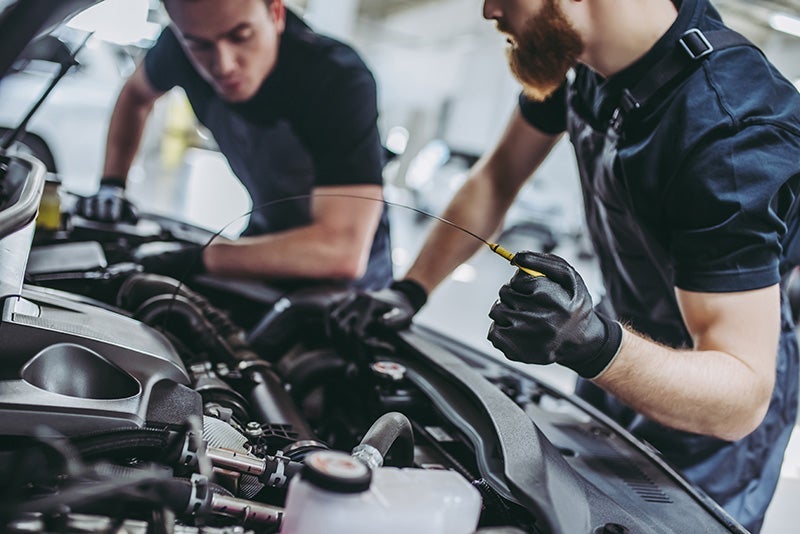
2 mechanics working on a car

Tips for Talking to a Mechanic About Repairs

For a lot of drivers near Peabody, MA, talking to a mechanic can be an intimidating experience, especially if they do not have extensive knowledge about vehicle operations and parts. However, here at BMW of Peabody, our mechanics take pride in being approachable and friendly, patiently explaining the types of BMW repairs that your vehicle needs. Here are some tips for talking to our mechanics about repairs. Communicate the Vehicle’s Issues When you first bring your BMW car to our service center at BMW of Peabody, we’ll ask about the issues that you’re having with it. So that you don’t go blank when trying to remember, it helps to write down the issues when you first start to experience. Include specific sounds, sensations, and behavior that your car is experiencing, as well as leaks or smells. When talking to the mechanic about the car’s issues, it helps to be as specific as possible. For instance, instead of simply stating that the vehicle is making a sound, describe the problem in more detail. These are some common terms for automobile issues: Bottoming: Occurs when the car bottoms out when going over a bump or high spot in the roadway. Bucking: A lurching of the vehicle felt when changing gears or after the vehicle hesitates. Knocking: A rapid rattling or knocking sound heard when accelerating. Sluggish: When the car does not accelerate strongly or smoothly and feels like it is bogged down. If you are still having issues communicating what is troubling the vehicle, take the mechanic on a test drive so that they can experience the issue firsthand. Visit Our Expert BMW Mechanics in Peabody, MA Here at our BMW service center, our mechanics are ready to get your BMW car back into top condition. Talk to us about what’s ailing your vehicle and it’ll be back on the road in no time.

How Much Will My Electric Bill Increase if I Charge My EV at Home?

As the price of gasoline continues to rise to record levels and environmental concerns become more pressing, increasing amounts of drivers are turning to BMW EV cars. Because electric cars are still a recent innovation, many people have questions about buying a car in this segment. One of the most common questions that we receive here at BMW of Peabody relates to how much the electricity bill will increase when an EV is charged at home. What You’ll Pay to Charge an Electric Car According to JD Power s, electric car owners do 88 percent of their charging at home, which adds to their electricity cost. Of course, there are also public charging stations for you to charge an EV car. To estimate what your cost will be, take a look at your current electric bill. It will likely show how many kilowatt-hours you currently use and how much you pay for kilowatt-hour. As of late last year, the average cost of electricity is 13.7 cents per kilowatt-hour, and an efficient electric vehicle can travel four miles per kilowatt-hour. Doing some math, you’ll find that if you drive your BMW iX SAV or other BMW EV car 1,000 miles per month, then you’ll need at least 250 kilowatts to charge properly. At the national average electricity rate, that will cost you $34.25 per month in electricity. This number will depend on how often you drive and the electricity rates in your area. Massachusetts MOR-EV Program The MOR-EV program helps Massachusetts EV car buyers save money on a new EV BMW purchase. If you purchase an eligible EV car and fill out the application, you can receive $2,500 for a new battery or fuel cell electric vehicle and $1,500 for a new plug-in hybrid electric vehicle. To test drive our wide selection of BMW EV cars, head over to BMW of Peabody.

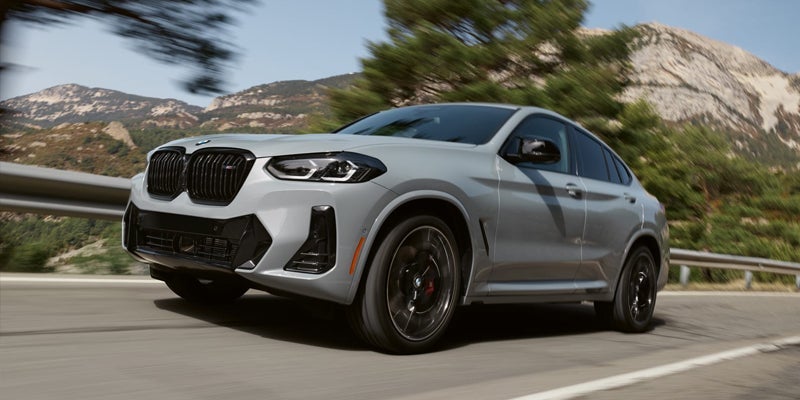
BMW X4

Do Electric Vehicles Retain Their Value?

With the quickly growing popularity of BMW electric vehicles, prospective buyers have a lot of questions about their operation and whether or not they’re worth a purchase. You likely already know about many of the benefits that electric cars offer, such as their environmental friendliness, their low costs of operation and repair, and their increasing range. Here at BMW of Peabody, our dealers receive many questions about how electric vehicles retain their value. Depreciation and Electric Cars All new vehicles undergo a phenomenon known as depreciation, which can be defined as the gradual loss in value of an asset. The most extreme depreciation occurs during the first few years of ownership, when a vehicle can lose up to 25 percent of its value. Electric vehicles depreciate just as gasoline-powered vehicles do. Though they offer various types of savings in the form of efficiency and fewer and less expensive repairs, electric vehicles typically lose more than $5,700 off their original value per year of ownership, according to Forbes. If you want to avoid the most depreciation on an electric car, consider a pre-owned BMW model instead of new. Overall Cost of Ownership Now that you know electric vehicles retain their value just as well as gasoline powered vehicles, you may be wondering if they are worth the cost. The overall answer is an enthusiastic yes, according to the same Forbes article. Most states, including Massachusetts, have hefty financial and tax incentives for purchasing an EV vehicle, which helps to offset the cost of depreciation. Contact BMW of Peabody in Greater Boston to learn more about BMW electric vehicles.

Contact Us

Fill out this form below and we'll contact you shortly
*Required Fields